
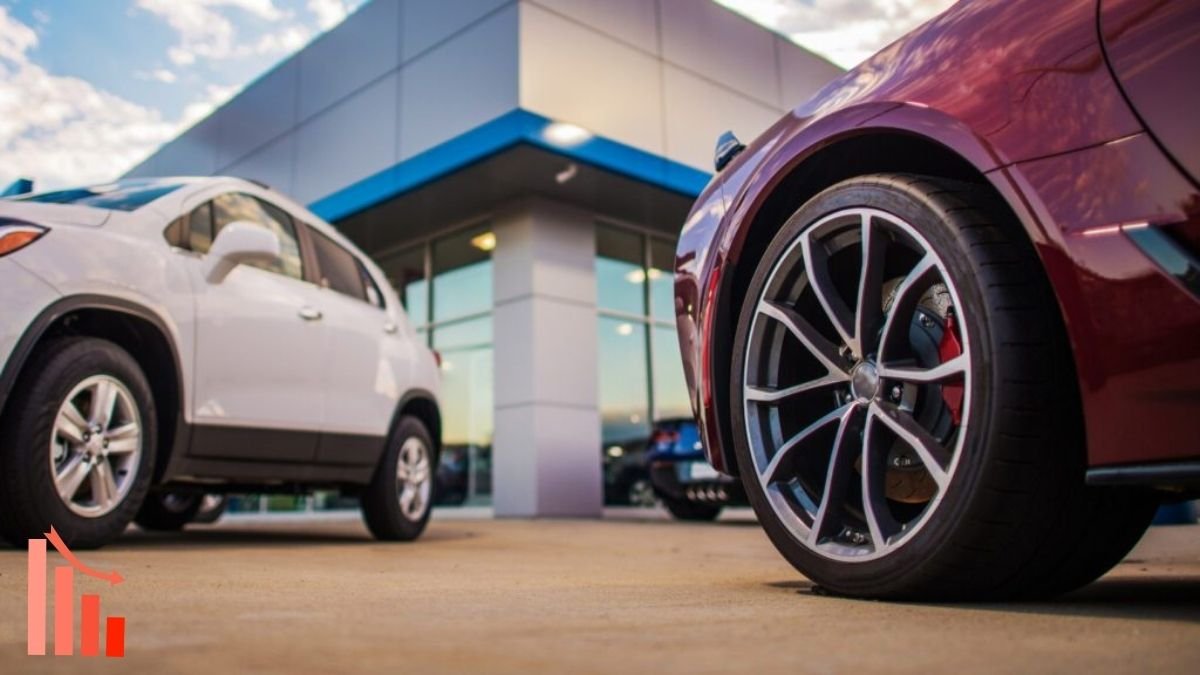
Imagine walking into a dealership in 2026. The shiny new models glisten under the lights. But there’s a new tension in the air.
It’s not coming from you, the buyer.
It’s radiating from the sales manager. For the first time in decades, the balance of power is undergoing a seismic, global shift. A perfect storm of economic fear, technological upheaval, and pent-up inventory is about to unleash the most dramatic car price cuts the world has seen since 2008.
Forget paying a premium. Forget waiting lists. The next 18 months could see your dream car fall into your budget. This is not a speculative rumor. It’s a collision of cold, hard economic data and industry insiders whispering about a coming reckoning.
Here’s why 2026 is shaping up to be the year of the buyer.
Deep Dive: The Three Forces Crashing the Market
The auto industry has been riding a wild bull for years. Pandemic shortages created insane demand. But that party is ending. Three brutal forces are now converging.
Force One: The Recession Shadow Hangs Over Every Sale
Economists from the IMF to Wall Street are sounding the alarm. The “R” word is no longer a distant threat. It’s a palpable fear influencing every major purchase.
This psychological shift is catastrophic for carmakers. Big-ticket items are the first thing consumers postpone when uncertainty looms. Global demand is softening. Manufacturers built their 2024-2025 forecasts on relentless growth.
That growth is now vanishing. To move metal, they will have only one weapon left: aggressive pricing. We’re talking manufacturer incentives, 0% APR financing returning with a vengeance, and lease deals that will shock you.
Force Two: The Electric Pile-Up
The electric vehicle revolution has hit its first major speed bump. Adoption, while growing, has not met the stratospheric projections of 2022. The result? A global inventory of EVs is starting to back up.
Legacy automakers who bet billions are now sitting on lots of expensive, complex battery-powered cars. And a new wave of ultra-efficient, stylish Chinese EVs from companies like BYD and Nio is entering Western markets. They are offering stunning technology at prices 20-30% below traditional rivals.
This creates a brutal price war. To clear inventory for newer models, expect fire sales on 2024 and 2025 EV stock. The discounting in the electric segment will pull down prices across the entire showroom, including hybrids and gas vehicles.
Force Three: The Autonomous Hype Cycle Cools
Mass-market, fully self-driving cars won’t be a reality by 2026. The industry has admitted this. The billions poured into this technology, however, have created incredibly advanced driver-assistance systems as a byproduct.
These systems (like GM’s Super Cruise or Ford’s BlueCruise) are now becoming standard on higher trims. The game-changer? They are rapidly becoming commoditized.
Carmakers can no longer charge $8,000 for a “full self-driving” package that isn’t. This premium pricing model is collapsing. In 2026, advanced safety and highway assist tech will be a expected, mid-tier feature. Not a luxury upsell.
This further erodes profit margins and forces competitive bundling.
What You Can Expect on the 2026 Lot: A Buyer’s Guide
The market transformation won’t be subtle. It will manifest in specific, tangible ways you can plan for.
The Return of the Incentive
Remember dealer discounts? They’re back, and bigger. Look for direct cash-back offers from manufacturers, especially on slow-moving sedan and luxury SUV models. Sub-$30,000 USD EVs will become common, not mythical.
Leasing will become the sweet spot. Dealers and banks will subsidize leases heavily to keep volume high and prepare for a future resale market. Your monthly payment could be hundreds less for the same car.
The Negotiation Power is Yours
The days of “this is the price, take it or leave it” are over. You will have leverage. Use it. Research invoice prices online. Be willing to walk away. Your patience will be rewarded, as salespeople fight for fewer customers.
Consider dealer demonstrator models and loaners. With softer new demand, these lightly-used cars will flood certified pre-owned programs. They offer massive savings with full warranties.
The Global Tech Standardization
Confusing regional variations will smooth out. To cut costs, global platforms will mean the impressive tech from European or Asian markets will finally come standard in North America and elsewhere.
Expect large, curved digital dashboards, over-the-air update capability, and premium sound systems to be included in mid-range trims. It’s a features arms race funded by shrinking margins.
Who Should Buy a Car in 2026? (And Who Should Wait)
This isn’t a green light for everyone to rush out. Timing and strategy are everything.
BUY in 2026 if: You are financially secure and have been waiting for the insanity to end. Your current car is dying. You want a cutting-edge EV from a legacy brand and are happy to let them discount it heavily. You are a shrewd negotiator ready to exploit a shifting market.
WAIT until late 2026 or 2027 if: You want the absolute lowest price. You can limp your current car along another year. The deepest discounts often hit as the model year ends and the next one arrives. Waiting lets the price war reach its peak. You’re also interested in next-gen battery tech (solid-state promises are edging closer).
Your 2026 Buying Strategy Starts NOW
Don’t just wait passively. Prepare. Build your credit score to secure the best future financing rates. Decide on your top 3 models and start tracking their current prices and inventory in your area.
Set up news alerts for “dealer incentives” and “manufacturer offers.” Start saving your down payment. When the floodgates open in 2026, you need to be the informed, ready, and decisive buyer that capitalizes on a once-in-a-generation shift.
The auto industry’s correction is coming. For the savvy global consumer, it won’t be a crisis. It will be the opportunity of a lifetime.
In-Depth FAQs: Your 2026 Car Market Questions, Answered
1. Will used car prices also crash in 2026?
Absolutely. They are intrinsically linked. As new car prices fall, used car values plummet. The inflated used market of the early 2020s will correct sharply. This is great for buyers, but a potential disaster for those who bought high and plan to trade in soon.
2. Are there any car types that WON’T see big discounts?
Limited-production enthusiast vehicles (like special edition sports cars or hardcore off-roaders) may hold value. Their niche audience is less price-sensitive. Mainstream family crossovers, sedans, and luxury EVs will be the epicenter of the price cuts.
3. How do global economic differences affect this?
The trend is global, but the severity will vary. Markets with high exposure to Chinese EV imports (Europe, Australia) may see steeper cuts. Regions with protectionist tariffs might see slower corrections. But the overall direction is universal: downward pressure.
4. Is it risky to buy a heavily discounted EV? What about battery tech?
The cars themselves will be fine and fully warrantied, including the battery (typically 8 years). The risk is residual value, not reliability. If you plan to own the car long-term, a 2025 model discounted in 2026 is a fantastic deal. The next big battery leap is still years away from mass affordability.
5. What’s the single best tip for 2026?
Be ready to walk away. Your ultimate power in a buyer’s market is the ability to say “no.” With overflowing lots and quarterly sales targets looming, the deal you refuse today will often have a better offer attached to a frantic phone call tomorrow. Patience is your most powerful negotiating tool.